Asset Lifecycle Management: From Procurement to Disposal
Asset Lifecycle Management: From Procurement to Disposal | DOIT
What Is Asset Lifecycle Management?
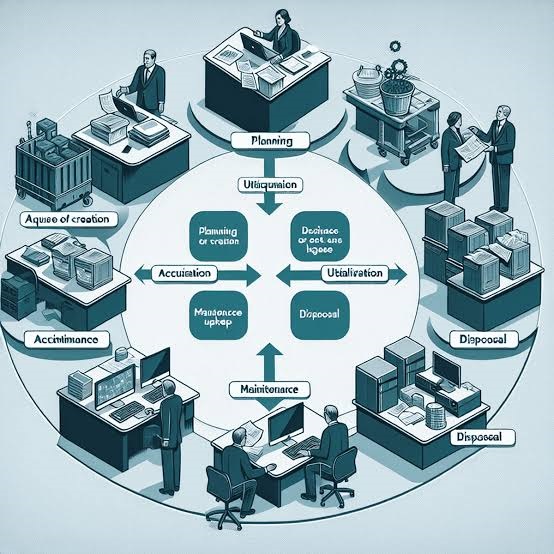
Asset lifecycle management is the coordinated control of an asset from acquisition to final disposal. It connects procurement, physical verification, tagging, deployment, maintenance, transfer, depreciation, and retirement.
Many organizations record an asset when they buy it. However, they lose visibility during transfers, repairs, upgrades, and disposal. As a result, the financial register can drift away from physical reality.
DOIT Integrated Solutions helps organizations maintain a reliable record across the full journey. Our workflow combines field inventory, photographs, classification, Barcode, QR, RFID, reconciliation, and ERP-ready data.
The Direct Answer: Why Does the Full Lifecycle Matter?
The full lifecycle matters because each stage affects asset value, accountability, maintenance, depreciation, and disposal. When teams record every stage, finance and operations can make decisions from the same evidence.
A complete lifecycle record should answer these questions:
| Lifecycle question | Required information |
| What was acquired? | Description, supplier reference, cost, date, and asset class |
| Where is it now? | Site, building, room, department, and custodian |
| How is it performing? | Condition, status, maintenance, and utilization |
| What changed? | Transfers, upgrades, repairs, impairment indicators, and approvals |
| How did it leave? | Disposal decision, date, method, approval, and register update |
Stage One: Procurement and Initial Recognition
Control begins before the asset reaches its final location. Procurement and finance teams should agree on asset classes, approval rules, required fields, and supporting documents.
After delivery, the organization should verify the item against the purchase record. Then, the team should assign a unique asset ID and capture the baseline information. Early tagging reduces the risk of unrecorded assets and duplicate entries.
The process should also define how projects, assets under construction, and bundled equipment will appear in the register. These decisions should follow the organization’s approved accounting policy.
Stage Two: Deployment, Transfers, and Use
Once deployed, the asset needs a clear location and custodian. Therefore, each movement should create a documented update. This rule applies to transfers between departments, buildings, branches, storage areas, and repair locations.
A Barcode, QR, or RFID tag supports faster identification. Furthermore, linked photographs provide useful evidence during later checks. When staff can see the asset history, they can reduce unnecessary purchases and locate underused equipment.
Stage Three: Maintenance, Upgrades, and Condition Changes
Maintenance data adds operational meaning to the asset register. It can show service dates, repair history, warranty information, calibration status, and replacement needs.
However, asset data and maintenance data should use consistent identifiers. Otherwise, teams may maintain separate records for the same item. DOIT helps structure field findings so the client’s finance, operations, and maintenance teams can work from aligned information.
Stage Four: Retirement and Disposal
An asset does not disappear from the register because it leaves a room. The organization must approve its retirement and record the disposal decision. Then, finance should update the register according to the approved policy.
This stage prevents ghost assets. It also supports better replacement planning and reduces confusion during audits. The evidence may include the asset ID, condition, approval, disposal date, and final action.
How DOIT Supports End-to-End Control
DOIT starts with a scope assessment. Next, field specialists verify assets and capture approved data. Then, the team applies the required tags and links photographs to records. Afterward, data specialists reconcile findings with the client’s existing register.
Our platform feeds structured field data into the client’s ERP or other approved systems. It does not replace the client’s ERP. Instead, it helps improve the quality and consistency of the data sent to that system.
“Asset value depends on disciplined decisions throughout the asset’s life. DOIT helps organizations connect field evidence with financial and operational control”.
Conclusion: Manage the Journey, Not Just the Purchase
Effective asset lifecycle management gives finance and operations a shared view of every asset. It reduces blind spots during procurement, transfers, maintenance, and disposal. It also supports more reliable planning and audit preparation.
Request a Scope Assessment from DOIT Integrated Solutions.
Our team can help you map your asset lifecycle, verify field records, apply tagging, and prepare structured data for your current systems.
Category
Recent Posts
Hotel Pre-Opening Asset Inventory: Audit-Ready Register