
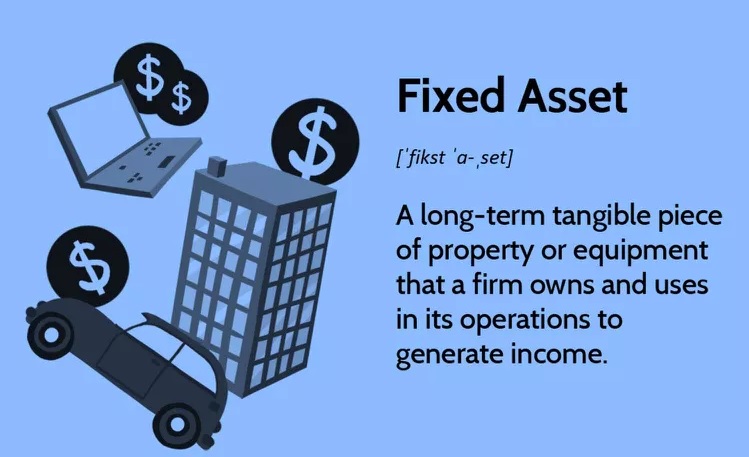
Fixed Assets: A Strategic Advantage or Hidden Burden?
Are Your Fixed Assets a Burden or a Growth Engine? The Hidden Financial Risks of Traditional Management
In today’s rapidly evolving business landscape, Have you ever questioned the accuracy of your fixed asset records? In fact, many companies still rely on outdated manual methods. However, these methods often lead to significant gaps between book records and physical reality. Consequently, hidden financial risks emerge, potentially threatening your company’s stability and future growth.
This article is specifically aimed at Chief Financial Officers (CFOs) and decision-makers in the real estate and hospitality sectors, posing a fundamental question: Are you confident in the recorded value of your fixed assets on the balance sheet? We can confirm it for you in days.
1. Fixed Assets: The Cornerstone of Every Business, But Are They Managed Effectively?
Fixed assets constitute a significant portion of company balance sheets in the real estate and hospitality sectors, ranging from buildings and land to furniture, fixtures, and hotel equipment (FF&E). Effective management of fixed assets is not merely an accounting requirement; it’s a strategic imperative to ensure financial transparency, regulatory compliance, and maximize return on investment. Yet, many companies face substantial challenges in this regard, including a lack of accurate data, difficulty in tracking fixed assets, and improper depreciation estimation.
2. The Financial Repercussions of Inaccurate Depreciation
Depreciation is one of the most critical accounting elements related to fixed assets, reflecting the gradual decrease in an asset’s value over time. But what are the financial consequences of inaccurate depreciation?
- Direct Impact on Profits and Taxes: Overestimated depreciation reduces net profit and affects tax liabilities, while underestimated depreciation inflates profits unrealistically, potentially leading to issues with regulatory bodies.
- Flawed Investment Decisions: Decisions regarding new fixed asset investments or replacement of old assets heavily rely on accurate depreciation data. Incorrect estimations can lead to unprofitable investments or delays in replacing vital assets.
- Inaccurate Company Valuation: Depreciation directly impacts a company’s net fixed asset value and, consequently, its overall valuation, which is crucial in mergers, acquisitions, or attracting investors.
3. The Hidden Cost of Manual Inventory: More Than Just Time and Effort
Manual fixed asset inventory has long been a common practice, but it carries hidden costs that may not appear in direct accounting records:
- Wasted Time and Effort: Manual inventory demands countless employee hours, diverting them from core tasks and impacting overall company productivity.
- Human Errors and Asset Loss: The likelihood of human errors in manual inventory processes, whether in counting or recording, increases, leading to data inaccuracies. Moreover, the absence of an effective tracking system escalates the risks of fixed asset loss or theft without management’s knowledge.
- Impact on Financial Data Accuracy: Inventory errors lead to discrepancies between accounting records and the actual physical reality of fixed assets, exposing the company to audit risks and diminishing the reliability of financial reports.
4. The Cost of Ineffective Fixed Asset Management: Missed Opportunities and Escalating Risks
Ineffective fixed asset management extends beyond mere accounting errors to encompass missed opportunities and increased risks:
- Lost Opportunities for Operational Efficiency: Without clear visibility into fixed asset status and locations, it becomes challenging to optimize their utilization or maintenance, affecting operational efficiency and leading to unnecessary maintenance costs or unplanned downtimes.
- Difficulty in Complying with Accounting Standards and Audits: Local and international accounting standards (such as IFRS and ISO 55000) demand high accuracy in fixed asset recording and depreciation. Non-compliance exposes the company to fines and penalties and damages its reputation.
- Legal and Operational Risks: In certain industries, improper fixed asset tracking can lead to legal or operational risks, especially those related to safety or environmental compliance.
5. The DOIT Solution: Confirming Your Fixed Asset Value in Days
DOIT recognizes these challenges and offers an integrated solution that combines field expertise with advanced technology to mitigate these risks. Instead of relying on slow, error-prone manual fixed asset inventory, DOIT provides:
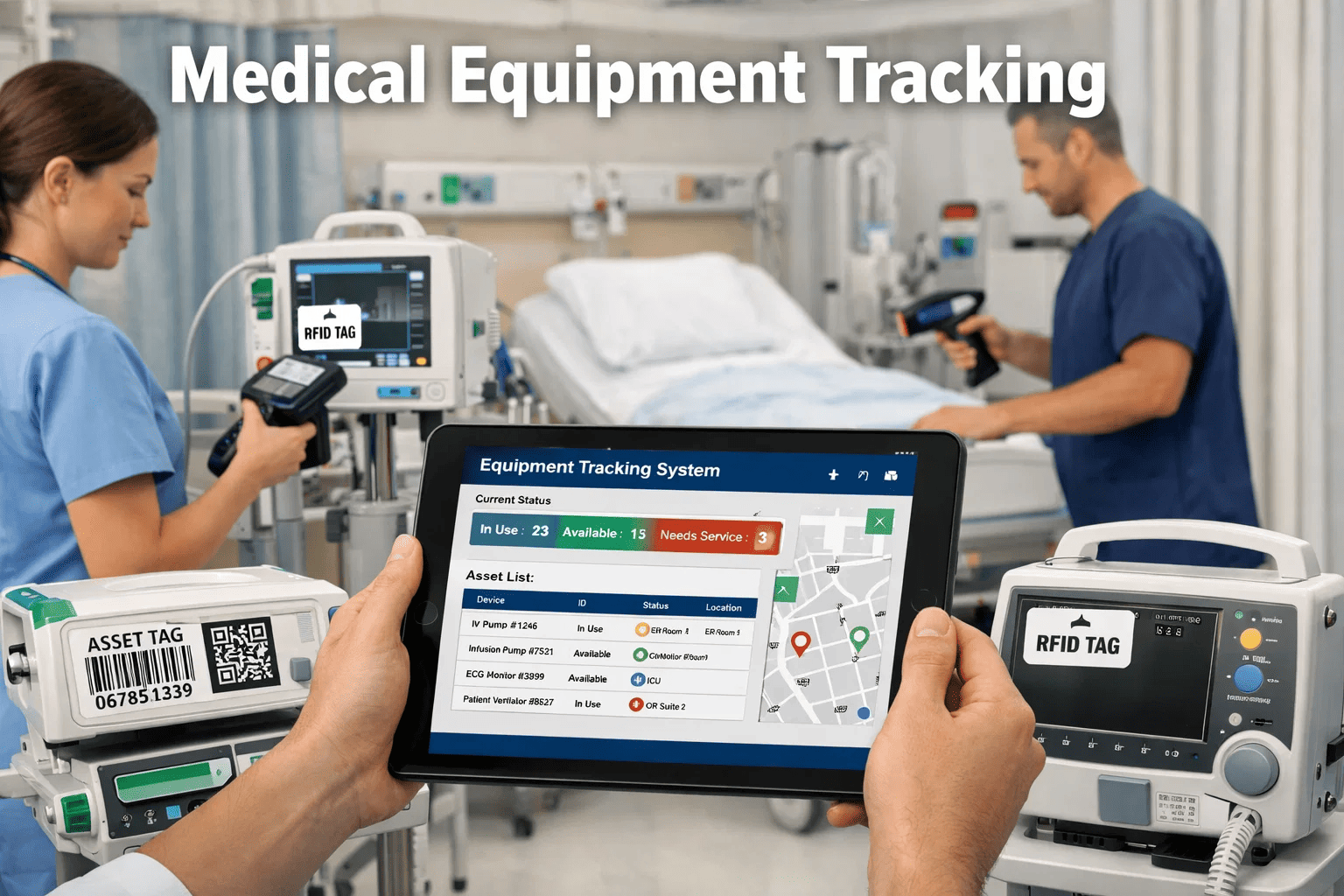
- Fast and Accurate Field Inventory: Utilizing Barcode and Radio-Frequency Identification (RFID) technologies, fixed assets are inventoried and tagged with extreme precision and in record time.
- IntIntegrated Software Connectivity: DOIT provides clients with access to its specialized software, which then seamlessly feeds updated fixed asset data into the company’s existing ERP and accounting systems, ensuring immediate and accurate record updates es.
- Reliable Financial Reports: Providing precise data for depreciation and fixed asset valuation, supporting sound financial and strategic decision-making.
The Result?
You gain confirmation of your fixed assets’ recorded value on the balance sheet in a matter of days, not weeks or months, ensuring accuracy and compliance.
Call to Action
Don’t let traditional fixed asset management turn your fixed assets into a financial burden. It’s time to confirm the true value of your fixed assets and transform them into a strategic advantage.
Book a free consultation with DOIT experts today and discover how we can confirm your fixed asset value in days, providing you with the insights you need for smarter financial decisions.
Category
Recent Posts
Hospital Fixed Asset Inventory: Compliance and Safety Guide